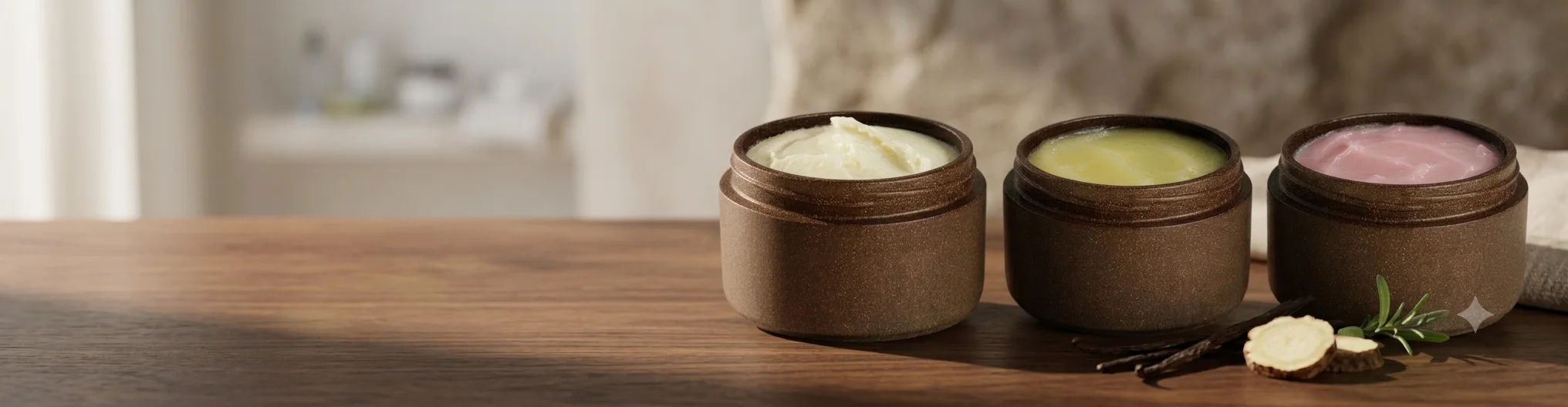
The global luxury cosmetics industry has always been defined by aesthetics, sophistication, and brand storytelling. Premium beauty brands rely heavily on packaging design to convey quality, exclusivity, and emotional appeal. However, the definition of luxury packaging is evolving rapidly. Today, sustainability has become a key component of luxury branding, especially in environmentally conscious markets such as Europe.
Consumers no longer view sustainability as a compromise in product design. Instead, they increasingly expect luxury brands to combine elegant aesthetics with responsible materials and environmentally friendly packaging solutions. As environmental awareness grows and regulations tighten across Europe, cosmetic brands are rethinking how premium packaging can reflect both beauty and sustainability.
The future of luxury cosmetic packaging lies in achieving the perfect balance between visual sophistication and environmental responsibility — a shift that is redefining design strategies across the beauty industry.
The New Definition of Luxury in Cosmetics
Traditionally, luxury cosmetic packaging emphasized elements such as glossy plastics, multilayer packaging, metallic coatings, and heavy materials designed to communicate exclusivity. While visually appealing, many of these materials are difficult to recycle and contribute significantly to packaging waste.
Today's luxury consumer expects something different. Modern premium branding is increasingly associated with:
- Sustainability and environmental responsibility
- Transparency in sourcing and materials
- Minimalist yet elegant design
- High-quality natural or renewable materials
In Europe particularly, luxury consumers are demonstrating strong interest in products that combine premium aesthetics with ethical and sustainable production practices. This shift means that packaging is no longer judged only by how luxurious it looks, but also by how responsibly it is produced.
Why Sustainable Packaging Matters for Luxury Brands
Luxury brands face unique expectations from consumers. Their customers are typically more informed, more selective, and more likely to value sustainability alongside product quality. Several factors are driving the transition toward sustainable luxury packaging.
Rising Consumer Environmental Awareness
High-end consumers increasingly associate luxury with ethical responsibility. Sustainable packaging allows brands to demonstrate commitment to environmental stewardship without sacrificing product appeal.
European Sustainability Regulations
The European Union is implementing stricter packaging regulations through initiatives such as the Packaging and Packaging Waste Regulation (PPWR) and circular economy policies. These frameworks encourage recyclable, reusable, or compostable packaging materials. Luxury cosmetic brands that adopt sustainable packaging early are better prepared to meet regulatory expectations while maintaining market leadership.
Brand Authenticity and Reputation
Premium beauty brands thrive on trust and brand perception. Sustainable packaging strengthens credibility and helps brands communicate genuine environmental commitment.
Key Design Trends in Sustainable Luxury Cosmetic Packaging
As sustainability becomes a design priority, several packaging trends are emerging within the luxury cosmetics industry.
Minimalist Packaging Design
Modern luxury is increasingly associated with simplicity and elegance. Minimalist packaging reduces unnecessary materials while creating a refined aesthetic. Clean typography, subtle textures, and restrained colour palettes are becoming popular design choices that communicate sophistication without excessive material use.
Natural and Organic Material Finishes
Luxury brands are incorporating materials that reflect natural origins, such as plant-based fibres and biodegradable substrates. These materials provide unique textures that enhance product authenticity. Natural finishes often convey a sense of craftsmanship and sustainability, reinforcing the brand's commitment to responsible production.
Matte and Soft-Touch Surfaces
Matte finishes and soft-touch surfaces create a premium tactile experience while maintaining understated elegance. These finishes are widely used in sustainable packaging designs because they complement minimalist aesthetics.
Lightweight Yet Durable Packaging
Reducing packaging weight helps lower carbon emissions during transportation while maintaining product protection. Advances in material engineering allow brands to achieve durability with fewer resources.
Refillable and Modular Packaging
Luxury brands are increasingly adopting refillable packaging systems that combine premium outer containers with replaceable inner components. This approach maintains product elegance while significantly reducing packaging waste.
The Role of Material Innovation in Sustainable Luxury
Design trends alone cannot deliver sustainable packaging — material innovation plays a crucial role in enabling environmentally responsible luxury packaging. Plant-based materials derived from agricultural residues and renewable natural fibres are emerging as promising alternatives to traditional plastics. These materials offer several advantages:
- Lower carbon footprint during production
- Reduced reliance on fossil fuels
- Biodegradability under composting conditions
- Alignment with circular economy principles
When designed carefully, plant-based packaging materials can deliver the same visual and tactile appeal as traditional luxury packaging while significantly reducing environmental impact. This combination of sustainability and aesthetics is driving the next generation of cosmetic packaging innovation.
Balancing Sustainability and Premium Brand Identity
One of the biggest challenges luxury cosmetic brands face is ensuring that sustainable packaging still conveys exclusivity and sophistication. Successful sustainable packaging achieves this balance through high-quality material finishes, innovative structural design, elegant branding and labeling, and unique textures and tactile experiences.
When sustainability is integrated thoughtfully into packaging design, it can enhance rather than diminish the perception of luxury. In fact, many modern consumers view sustainability itself as a premium attribute.
How Agropak Helps Luxury Cosmetic Brands Achieve Sustainable Elegance
As cosmetic companies transition toward sustainable packaging, they require partners capable of delivering both environmental performance and design excellence. Agropak provides innovative packaging solutions that allow cosmetic brands to combine premium aesthetics with environmental responsibility.
Agropak specializes in plant-based, biodegradable, and circular-economy-oriented packaging materials developed from agricultural residues and renewable natural fibres. These materials offer several advantages for luxury cosmetic brands:
- Premium Natural Aesthetic: Agropak's plant-based materials naturally create elegant textures and finishes that complement modern luxury design trends. The organic appearance of these materials enhances brand authenticity while maintaining a sophisticated visual appeal.
- Sustainable Material Innovation: By using agricultural residues and renewable resources, Agropak reduces reliance on petroleum-based plastics and supports environmentally responsible packaging systems.
- Circular Economy Compatibility: Agropak's biodegradable packaging materials are designed to align with circular economy principles, helping brands reduce waste and improve lifecycle sustainability.
- Regulatory Readiness for European Markets: Agropak solutions support compliance with evolving European packaging regulations, including sustainability requirements under EU environmental policies.
- Enhanced Brand Storytelling: Luxury cosmetic brands can strengthen their sustainability narrative by adopting Agropak packaging, demonstrating their commitment to responsible design and environmental stewardship.
The Future of Luxury Cosmetic Packaging
Luxury beauty packaging is entering a new era where sustainability and aesthetics must coexist. Consumers are no longer satisfied with packaging that looks premium but harms the environment. Instead, they expect brands to deliver both elegance and responsibility.
The companies that succeed in the future beauty market will be those that integrate sustainability into every aspect of product design — from materials and manufacturing to packaging and lifecycle management. By adopting innovative plant-based packaging solutions, luxury cosmetic brands can maintain their premium identity while contributing to a more sustainable global economy.
With forward-thinking partners like Agropak, brands can confidently embrace packaging that is not only beautiful but also responsible — delivering a premium experience that respects both consumers and the planet.
References
- European Commission. (2023). Packaging and Packaging Waste Regulation Proposal. environment.ec.europa.eu
- Ellen MacArthur Foundation. (2021). The Global Commitment to a New Plastics Economy. ellenmacarthurfoundation.org
- McKinsey & Company. (2022). Sustainability in Packaging: Inside the Minds of Global Consumers. mckinsey.com
- OECD. (2022). Global Plastics Outlook. oecd.org
- NielsenIQ. (2019). The Sustainability Imperative. nielsen.com