Singapore — NEA Packaging Reporting
What you report to the NEA depends on what your packaging is made of.
Ships direct from India via DHL · Shipping cost confirmed before payment
The reporting obligation you're already navigating
Singapore's Resource Sustainability Act requires brands above the threshold to submit annual packaging data — material type, weight, how it's handled at end of life. The report is filed once a year. What you put in it is determined by what your packaging is made of.
Most brands filing under RSA are working with plastic categories and the recycled content data that goes with them. A bio-composite material sits in a different classification — your reporting consultant determines exactly where using Agropak's documentation.
What changes when the material changes
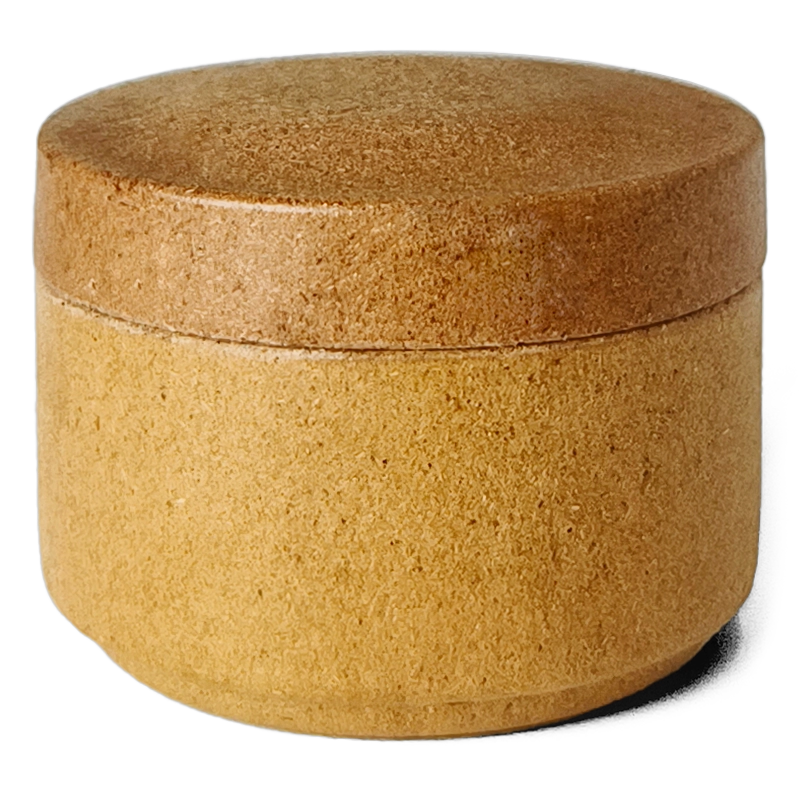
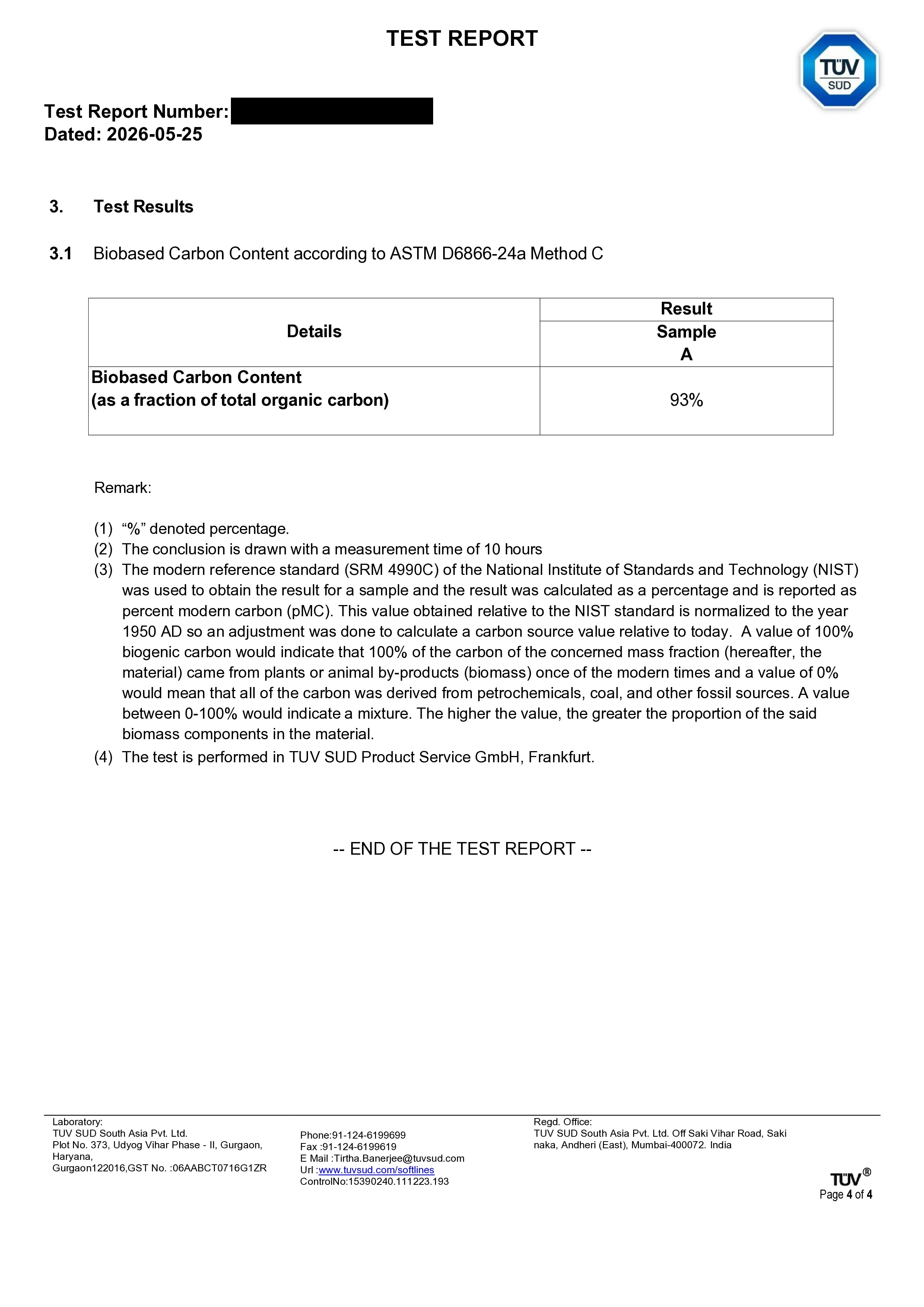
This jar contains no petroleum-derived plastic. That's not a brand claim — it's in the material composition declaration. The TÜV SÜD certificate confirms 93% bio-based carbon content by isotopic analysis.
For Singapore brands also supplying to EU, UK, or Japanese markets, that same documentation works internationally. You build the evidence base once — it travels to every market where your buyers ask for it.
What the annual RSA report needs from your packaging supplier
The documentation that Agropak provides, and what each one covers.
- Material composition declaration — Confirms no petroleum-derived plastic. Lists primary components. Used for RSA material type classification and retailer onboarding in Singapore.
- TÜV SÜD bio-based certificate — 93% bio-based carbon content, ASTM D6866, Frankfurt May 2026. Third-party verified — not a brand-declared figure. Works for international markets too.
- CIPET structural test reports — 15,492 N compression, 0.8 m drop test, 2-year shelf life. Government-accredited laboratory. For product safety files and retail buyer requirements.
- Full specification sheet — Dimensions, wall thickness, barrier coat, formulation compatibility, colourways. Included in every evaluation kit.
The EPR framework covers all packaging put on the Singapore market, regardless of material. Agropak's documentation gives your reporting consultant the material-level data needed to determine the correct classification and reporting treatment.
Fairprice, Sephora Singapore, and premium independents increasingly require supplier sustainability documentation. The same documentation package that covers RSA reporting also answers the most common buyer questionnaires.
Singapore brands supplying to Japan, Korea, or Europe face a consistent question from buyers: what is the packaging made of, and do you have third-party documentation to support that? The answer Agropak provides works across all three markets — one documentation package, built for international review.
The RSA reporting obligation makes packaging material documentation a compliance necessity, not a brand choice. Starting with a material that already has the third-party certificate means the annual report is straightforward from the first submission.
Japan, Korea, Australia, and the EU all have their own packaging frameworks. Agropak's international certification — TÜV SÜD Frankfurt — is recognised across these markets. The same documentation serves multiple market submissions without building a separate evidence base for each.
The certificate your report is built on
Third-party verified. Ready for RSA, EPR, and international buyer review.
TÜV SÜD bio-based certificate
93% bio-based carbon content measured by ASTM D6866 radiocarbon isotopic analysis. Issued by TÜV SÜD Frankfurt, May 2026. Internationally recognised — not a self-declared brand figure. Used for RSA material classification, buyer questionnaires, and EU/UK export documentation.
Material composition declaration
Explicitly confirms no petroleum-derived plastic. Lists primary components: coconut shell powder and bamboo fiber. The starting document for your reporting consultant's RSA material category determination.
CIPET structural test reports
15,492 N compression test. 0.8 m drop test. 2-year shelf life validation. Tested at India's government-accredited packaging test institute. For product safety files, retail buyer requirements, and structural claims.
Evaluation kit included
One jar per colourway — Noir Black, Mocha Brown, Sandstone — with the full documentation package. Shipped to Singapore. No commercial commitment required to receive the kit.
Product specifications
Tested to cosmetic-grade standards. Ready for Singapore retail.
| Volume | 50 ml |
| Compression strength | 15,492 NCIPET, Bengaluru — May 2026 |
| Drop test | Passed 0.8 m concrete drop |
| Bio-based content | 93%TÜV SÜD — ASTM D6866 — May 2026 |
| Petroleum-derived plastic | None |
| Shelf life | 2 years validated |
| Interior coating | Transparent barrier coat |
| Colourways | Noir Black, Mocha Brown, Sandstone |
Face cream, body butter, balm, gel cream, sunscreen, night cream. No leaching observed across tested formulation categories. See compatibility →
Sandstone, Noir Black, and Mocha Brown emerge from the material composition. No synthetic pigments — consistent with clean ingredient positioning for Singapore's natural beauty segment.
Common questions
From Singapore beauty brands and sustainability teams.
How does the Agropak jar affect NEA RSA packaging data reporting?
Under the Resource Sustainability Act, brands above the reporting threshold submit annual packaging data including material type and weight. Bio-composite sits in a different material category to plastic. Your reporting consultant determines the correct classification using Agropak's material composition documentation — including the TÜV SÜD bio-based certificate and composition declaration.
Is bio-composite packaging covered under Singapore's EPR framework?
Singapore's EPR framework covers packaging put on the market regardless of material type. Agropak's material composition declaration and TÜV SÜD certificate provide the documentation your reporting consultant needs to determine the correct material category and reporting treatment under EPR.
Does the same documentation work for Japan, Korea, or Australia?
Yes. TÜV SÜD Frankfurt is internationally recognised. The material composition declaration, bio-based certificate, and CIPET structural reports serve buyer questionnaires and compliance documentation across Asia-Pacific and beyond. You build the evidence base once. Full testing data →
How do we request an evaluation kit in Singapore?
Email info@agropak.in or schedule a call. Evaluation kits ship to Singapore — one jar per colourway with the full documentation package. No commercial commitment at any stage.
Related reading
For Singapore brands navigating packaging compliance.
How ASTM D6866 produces a verified, third-party figure — and why the measurement matters more than the headline number.
How regional brands are navigating the gap between natural ingredients and international packaging certification requirements.
Material comparison covering weight, structural performance, and compliance positioning for brands replacing plastic in Singapore and APAC markets.
A framework for building the internal evidence base and getting compliance and commercial teams aligned before a material switch.
Evaluate the material
The data is on this page.
The jar has to be in your hands.
Evaluation kits shipped to Singapore. TÜV SÜD certificate, CIPET reports, material declaration, and spec sheet included. No commercial commitment required.
Shipping cost confirmed when we reach out — before anything is charged. Kits have reached brands in Singapore and Southeast Asia.