Southeast Asia — The Certification Gap
The story is authentic. The international certificate is what's missing.
Ships direct from India via DHL · Shipping cost confirmed before payment
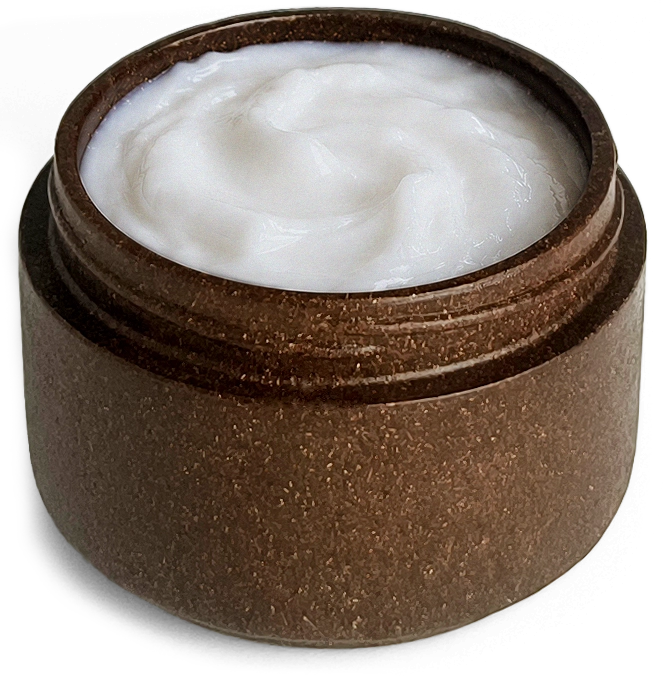
The gap that costs export deals
The ingredients are natural. The packaging can't prove it internationally.
Where most SEA brands are
- Natural formulation, verified ingredients
- Strong domestic brand story
- Plastic jar with no third-party certificate
- EU/UK buyer asks for packaging documentation
- No internationally recognised answer
With Agropak packaging
- Natural formulation, verified ingredients
- Strong domestic brand story
- Bio-composite jar — TÜV SÜD certified
- EU/UK buyer asks for packaging documentation
- TÜV SÜD certificate. CIPET reports. Ready.
What international buyers are asking
A buyer in Frankfurt, London, or Tokyo asks the same question: what is the packaging made of, and do you have independent verification? The Southeast Asian brand has the answer for their formula. For the jar, they often don't.
That gap is what prevents a great product from crossing into international retail. It's not a quality problem. It's a documentation problem — and it has a straightforward solution.
A material from the same region
Coconut shell powder and bamboo fiber — raw materials native to Southeast Asia — are what this jar is made from. The same provenance story that gives your formula its credibility extends to the packaging.
That provenance is now verified: TÜV SÜD Frankfurt measured the bio-based carbon content at 93% using ASTM D6866 isotopic analysis. Third-party verification, internationally recognised, available in your evaluation kit.
Where the documentation opens doors
One certification package. Five export markets that ask for it.
Green Claims Directive and UK Plastic Packaging Tax both require third-party verified packaging documentation. TÜV SÜD Frankfurt satisfies both. The same certificate that serves your domestic sustainability positioning answers the EU buyer's questionnaire directly.
Japanese and Korean premium beauty buyers are among the most rigorous on provenance documentation. Bio-based content certification from an internationally recognised laboratory — TÜV SÜD Frankfurt — is the format these buyers' compliance teams work with.
Singapore's NEA RSA reporting requires material-level packaging data annually. Agropak's material composition declaration and TÜV SÜD certificate provide the documentation your Singapore reporting consultant needs. The same package works for other ASEAN markets following Singapore's framework.
Southeast Asian beauty has the raw materials, the formulation knowledge, and the ingredient stories that international markets want. What's been missing is the packaging that carries the same verification. That gap is closing.
Thai beauty brands built on traditional herb and botanical ingredients are finding that international buyers expect the packaging to match the ingredient story. The same natural positioning that works for the formula can now work for the jar — with the certificate to prove it.
Indonesia's growing cosmetic export industry faces the same documentation requirement at every international border. A packaging material that already has EU-recognised third-party certification removes one of the most common obstacles to export approval.
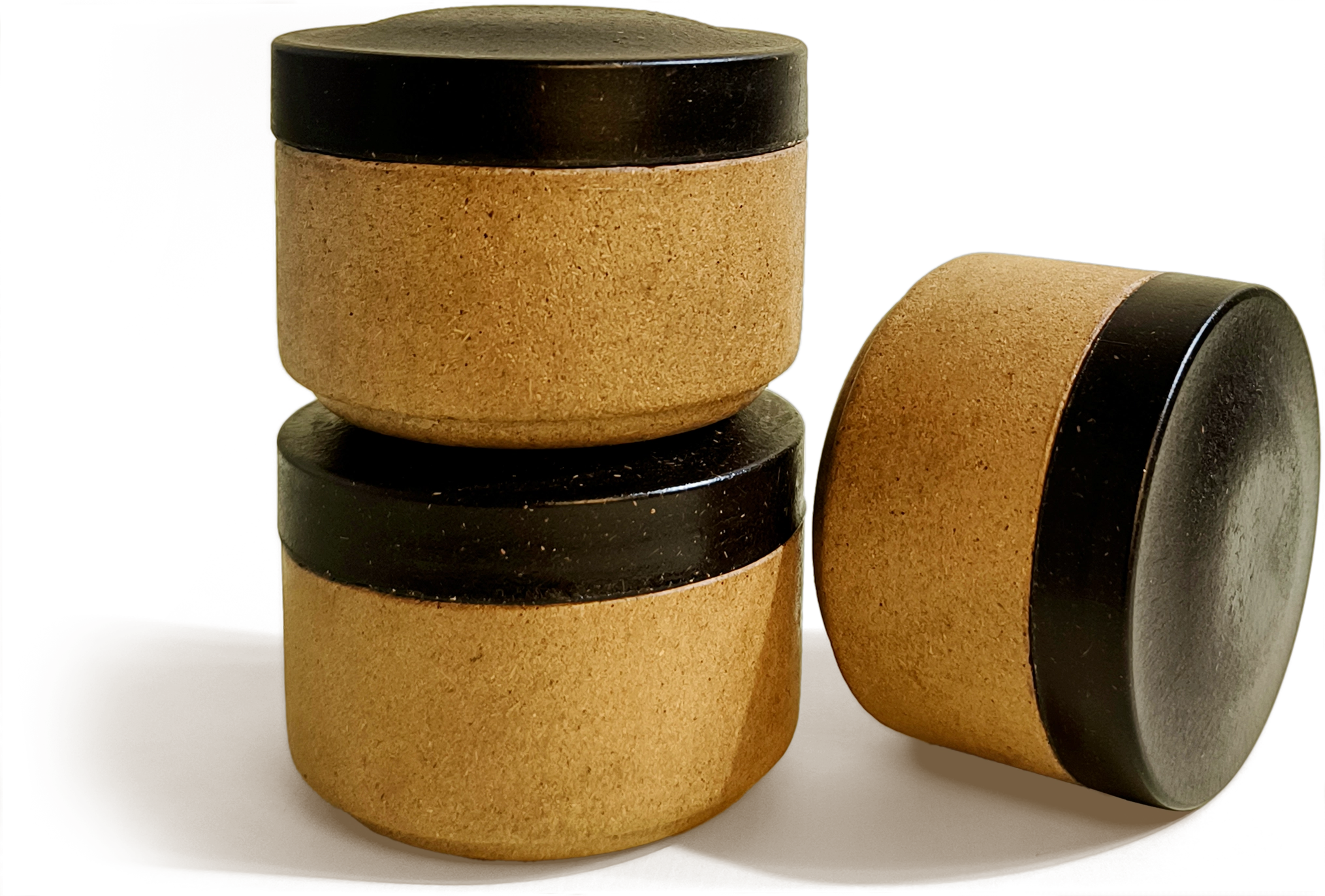
The documentation package
Everything international buyers ask for, in one kit.
TÜV SÜD bio-based certificate
93% bio-based carbon content. ASTM D6866 isotopic analysis. Frankfurt, May 2026. Recognised by EU Green Claims, UK PPT advisors, Japanese and Korean import documentation systems.
Material composition declaration
Confirms no petroleum-derived plastic. Primary components: coconut shell powder and bamboo fiber. The starting document for any regulatory review, buyer questionnaire, or sustainability claim substantiation.
CIPET structural reports
15,492 N compression. 0.8 m drop test. 2-year shelf life validation. India's government-accredited packaging laboratory. Structural data for product safety files and export documentation.
Physical evaluation kit
One jar per colourway — Noir Black, Mocha Brown, Sandstone — shipped across Southeast Asia. Test with your formulations before any commercial decision. No commitment required.
Product specifications
Tested for cosmetic-grade performance across climates.
| Volume | 50 ml |
| Compression strength | 15,492 NCIPET, Bengaluru — May 2026 |
| Drop test | Passed 0.8 m concrete drop |
| Bio-based content | 93%TÜV SÜD — ASTM D6866 — May 2026 |
| Petroleum-derived plastic | None |
| Shelf life | 2 years validated |
| Interior coating | Transparent barrier coat |
| Colourways | Noir Black, Mocha Brown, Sandstone |
Face cream, body butter, balm, gel cream, sunscreen, night cream. No leaching or discolouration observed across tested categories. Compatibility detail →
Coconut shell powder and bamboo fiber — both native to Southeast Asia. The same material authenticity that drives your ingredient story, carried through to the jar.
Common questions
From Southeast Asian beauty brands with international ambitions.
What certification gap are most Southeast Asian brands facing?
Many brands in Thailand, Indonesia, Vietnam, Malaysia, and the Philippines formulate with genuinely natural ingredients but package in conventional plastic. International buyers — in the EU, UK, Japan, and Korea — ask for packaging certification to match the ingredient story. The gap is not in the formula. It's in the packaging documentation.
Does Agropak's certification work for EU and UK export?
Yes. TÜV SÜD Frankfurt is internationally recognised. The material composition declaration, bio-based certificate (93%, ASTM D6866), and CIPET structural reports serve EU Green Claims, UK PPT advisor review, Japanese buyer questionnaires, and Korean import documentation. You build the evidence base once. Europe detail →
What documentation does Agropak provide?
Material composition declaration (no petroleum-derived plastic), TÜV SÜD bio-based certificate (93%, ASTM D6866, Frankfurt May 2026), CIPET structural reports (15,492 N compression, 0.8 m drop test), and a full specification sheet. All third-party verified — ready for your compliance advisor, retail buyer questionnaires, and export documentation. Full testing data →
How do we start an evaluation from Southeast Asia?
Email info@agropak.in or schedule a call. Evaluation kits ship across Southeast Asia — one jar per colourway with the full documentation package. No commercial commitment at any stage.
Related reading
For Southeast Asian brands ready to prove what they already know.
How ASTM D6866 produces a verified, measurable figure — and why it matters more than a brand-declared "natural" claim to international buyers.
How Singapore's RSA framework works and what documentation your annual packaging data submission needs.
What European buyers now require from packaging documentation — and how Agropak's certification package is structured to meet it.
A structured framework for assessing new materials against your formulation, operational, and compliance requirements before committing to a switch.
Evaluate the material
The data is on this page.
The jar has to be in your hands.
Evaluation kits shipped across Southeast Asia. TÜV SÜD certificate, CIPET reports, material declaration, and spec sheet in one package. No commercial commitment required.
Shipping cost confirmed when we reach out — before anything is charged. Kits have reached brands across Southeast Asia.